




Overview
A tier-one automotive supplier running two assembly halls relied on manual patrols and badge checks to supervise access to press, welding and paint areas. Supervisors had no live view of how many people were inside a hazardous zone, and evacuation drills depended on roll-call.
Because both halls were already in production, any retrofit had to be wireless, fast to install and completely non-disruptive — no cable trays, no tagging stations gating the line, and no interruption to shift patterns.
Challenges
Blind spots in hazardous zones
There was no live view of who was inside the press, welding or paint areas, and restricted-area breaches were usually discovered after the fact.
Slow emergency response
A worker who fell or was injured in a remote corner of the hall could wait minutes before anyone noticed.
No evacuation certainty
Roll-call based evacuation drills could not reliably account for contractors and visitors moving between halls.
Solution
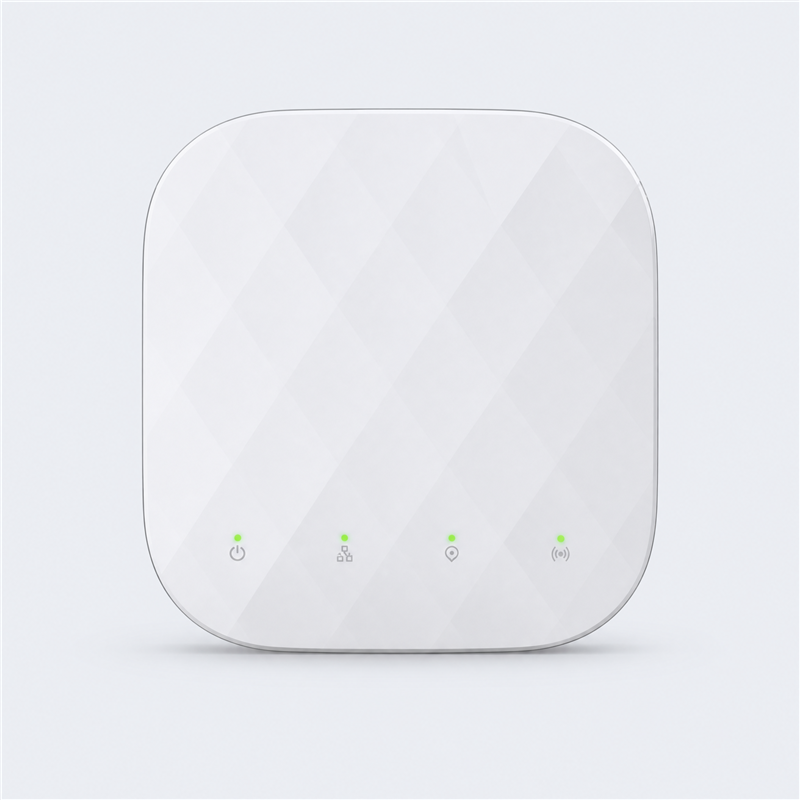
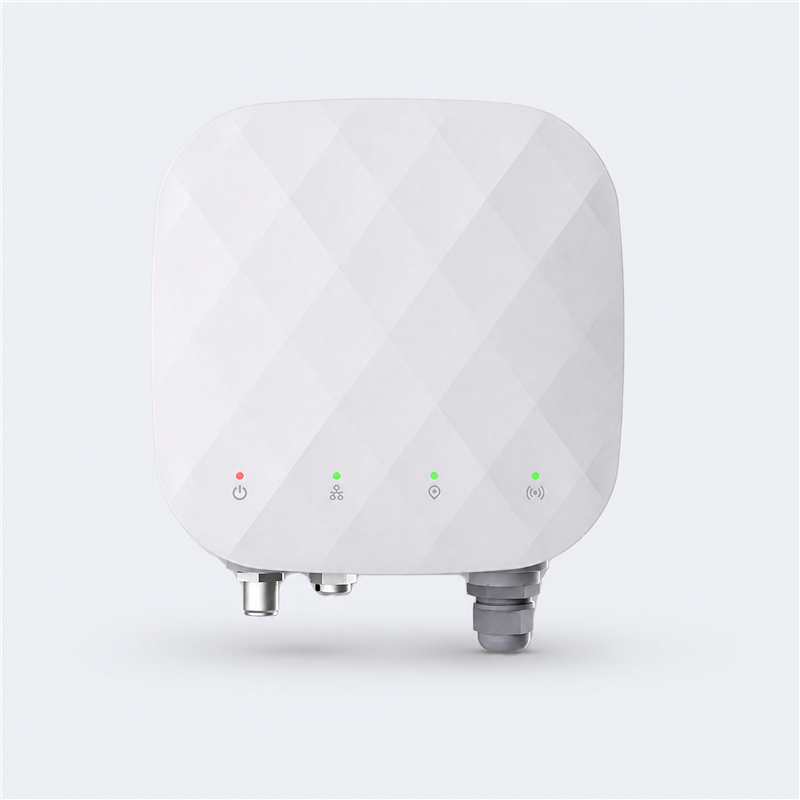
UWB base stations were mounted on the existing ceiling structure along the perimeter of each hall, giving coverage of both assembly halls and the connecting logistics corridor without a single cable run.
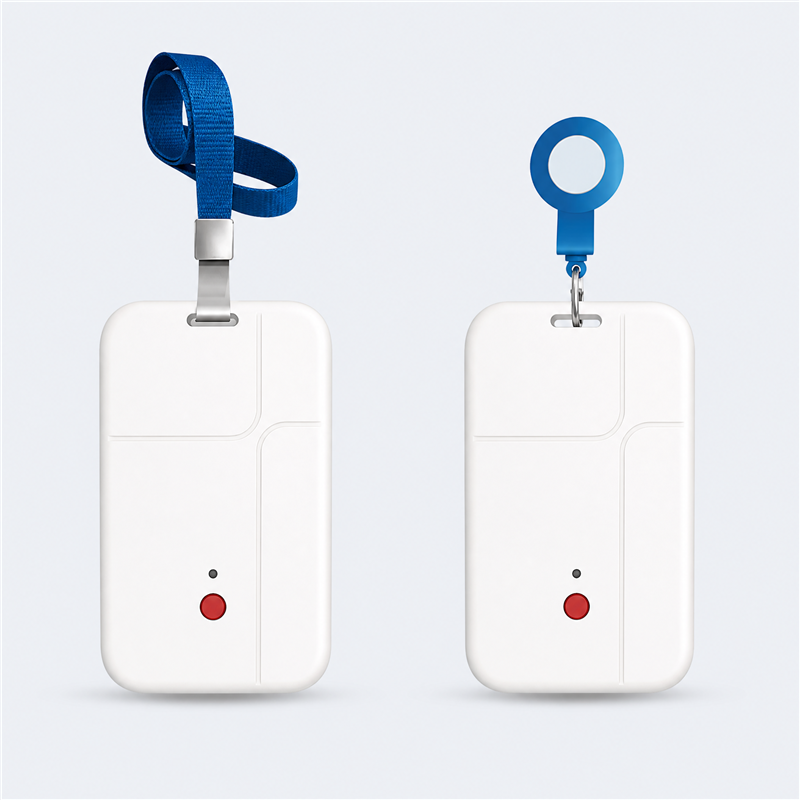
Every operator, maintenance engineer, visitor and contractor wears a UWB tag. Tags report through the base stations, which are powered and backhauled over the plant’s existing PoE network.
Supervisors work from a live map showing each person’s position, zone occupancy count and dwell time. Geo-fences were drawn around press, welding and paint areas: entering without a valid authorisation raises an instant sound-and-light alarm on the tag and a pop-up on the supervisor console.
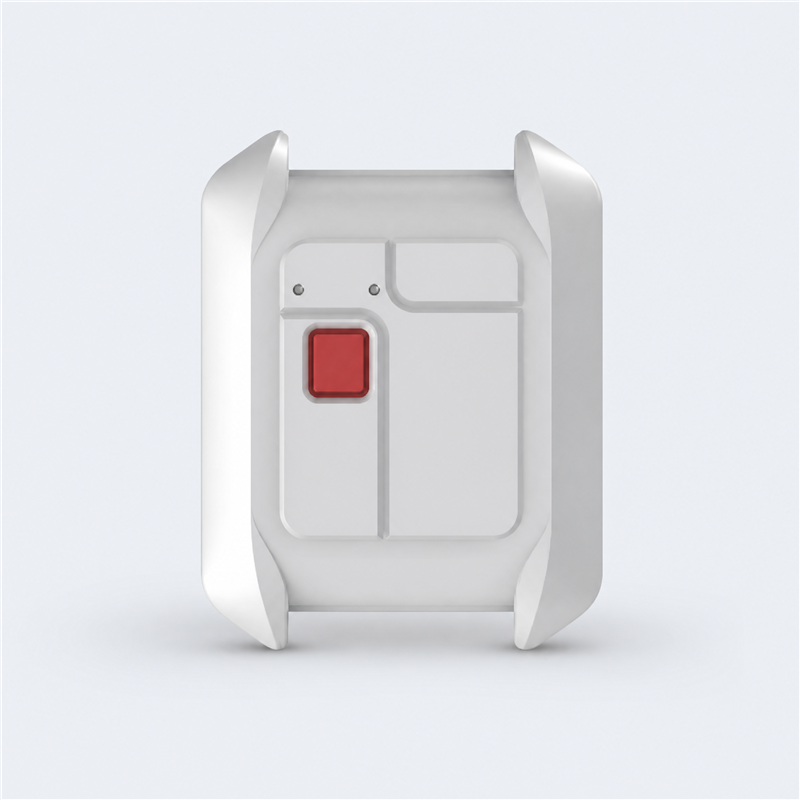
Tags also carry a two-way SOS button and automatic fall detection. Historical trails are exported for incident investigation and for productivity analysis of how zones are actually used.