




Overview
A container terminal operating straddle carriers, reach stackers and terminal tractors across a nine-hectare yard relies on radio instructions and line-of-sight checks to keep machines separated. Blind spots in front of the spreader and behind the cab make slow-speed contact incidents a persistent risk.
The yard has no fixed cabling, and the terminal cannot stop vessel operations for civil works, so any safety system had to be installed and commissioned between calls.
Challenges
Blind-spot contacts
Operators cannot see pedestrians or smaller machines close to the chassis, especially during reversing and spreader positioning.
No cable infrastructure
Fixed cabling across the yard is impractical, and works cannot interrupt vessel operations.
Restricted stacks
Vehicles periodically entered areas reserved for hazardous or high-value containers, usually without anyone noticing in time.
Solution
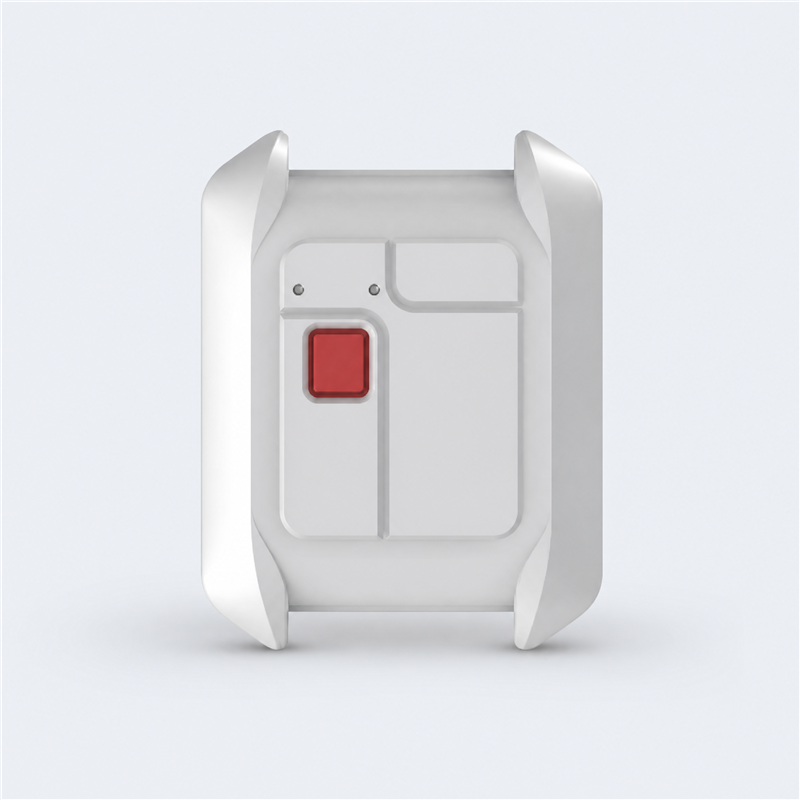
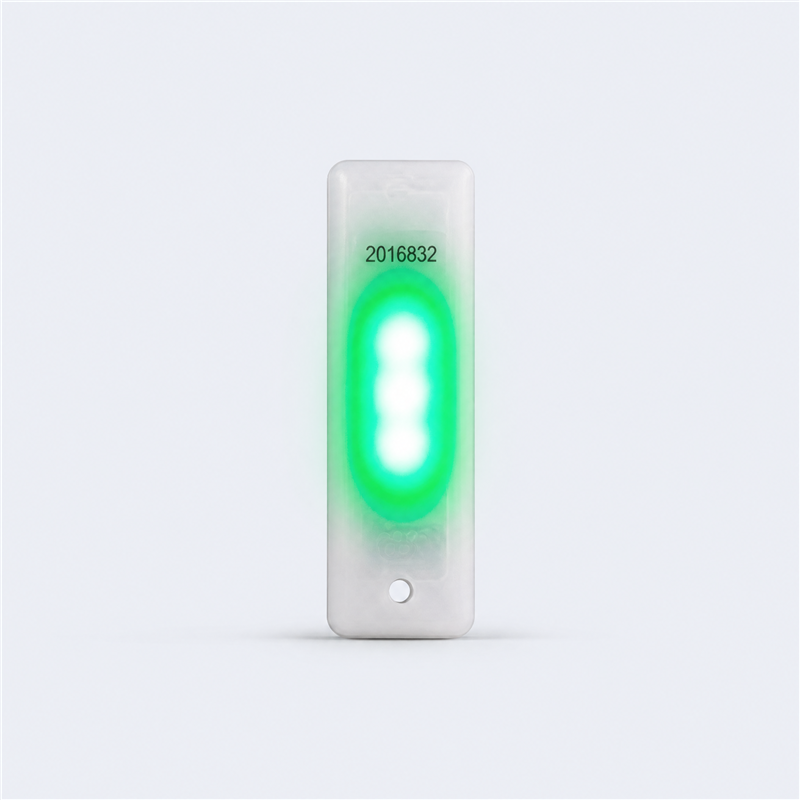
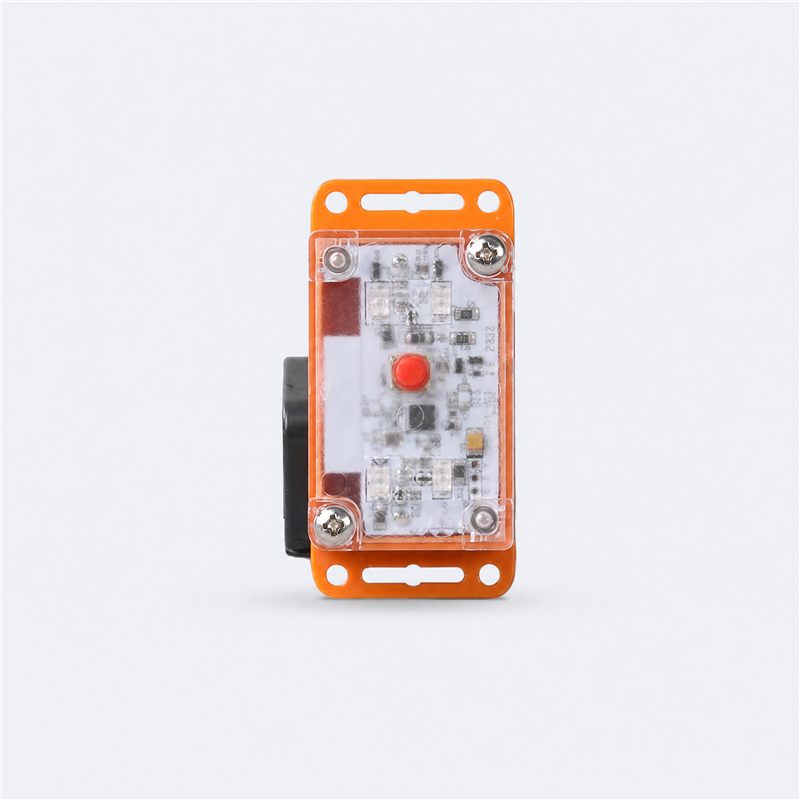
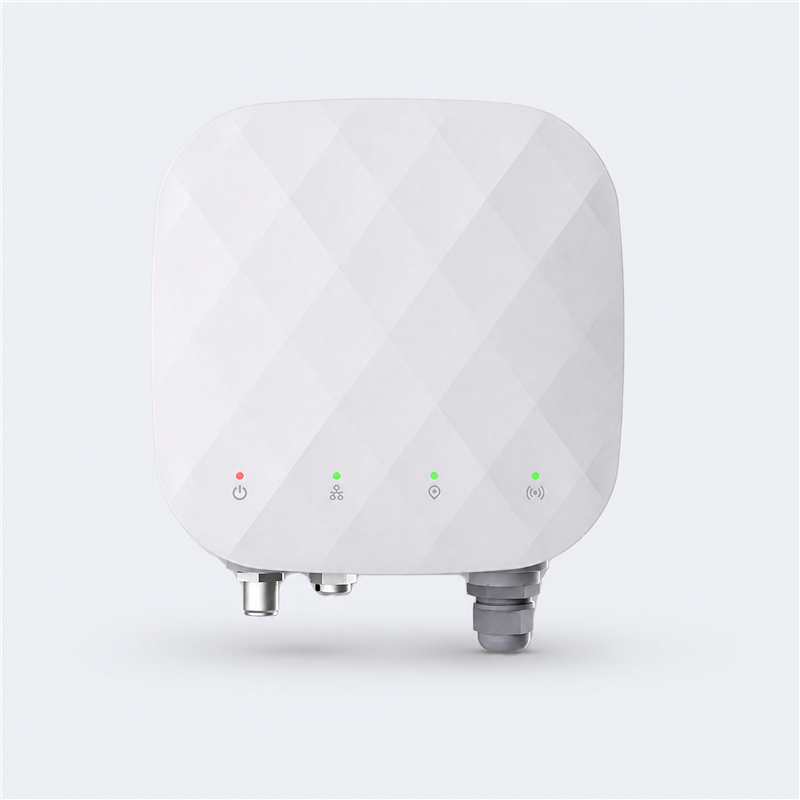
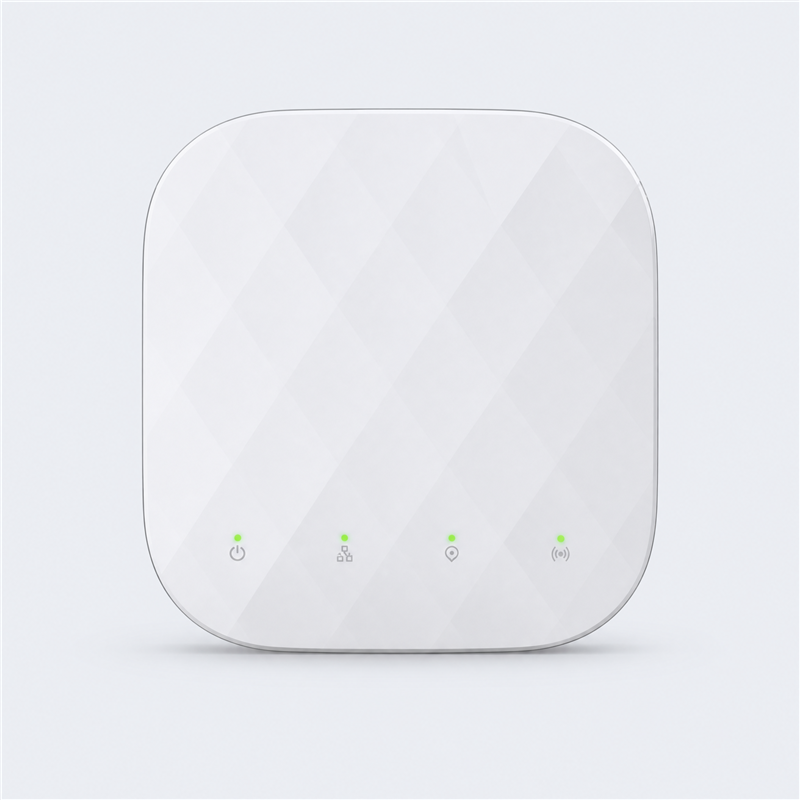
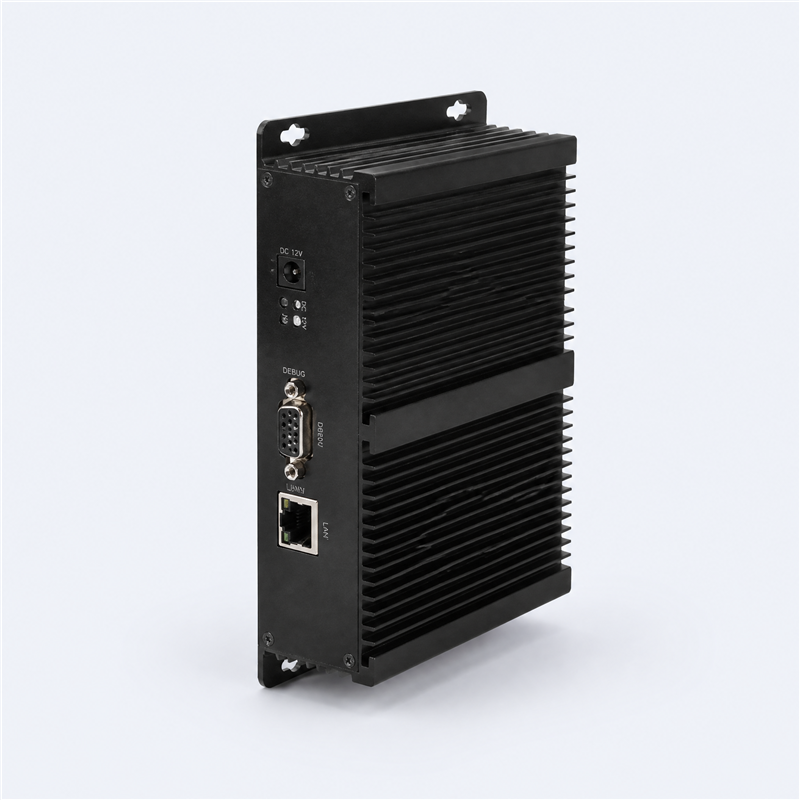
Vehicle-mounted tags were installed on each straddle carrier, reach stacker and terminal tractor, with outdoor base stations mounted on existing light masts covering the yard and access roads.
When a tagged pedestrian or another machine moves inside the driver’s blind zone, the in-cab unit raises a two-stage sound-and-light warning — advisory at distance, urgent on approach — so the driver is alerted before the gap closes.
Speed is read against yard zones: exceeding the limit for a given area triggers an additional alarm, and the event is logged with position and time for later review.
Geo-fences around restricted stacks and maintenance bays raise an alert on entry, while supervisors see the live position of every machine on a single yard map.