




Overview
A pasture-based dairy operation milking 2,400 cows across four paddocks had no way to find a sick or lame animal between milkings. By the time symptoms were visible at the shed, production had already dropped and treatment costs had risen.
Fence breaks and stock losses on the outer boundary were usually discovered by chance during routine rides, and confirming a headcount on pasture took a full working day by quad bike.
Challenges
Animals found too late
Illness, lameness and heat stress were noticed at milking rather than at onset, delaying treatment.
Fence breaks and theft
Outer-boundary incidents were discovered by chance, often days after they happened.
Manual herd counts
Counting the herd on pasture and in the barn consumed a full working day.
Solution
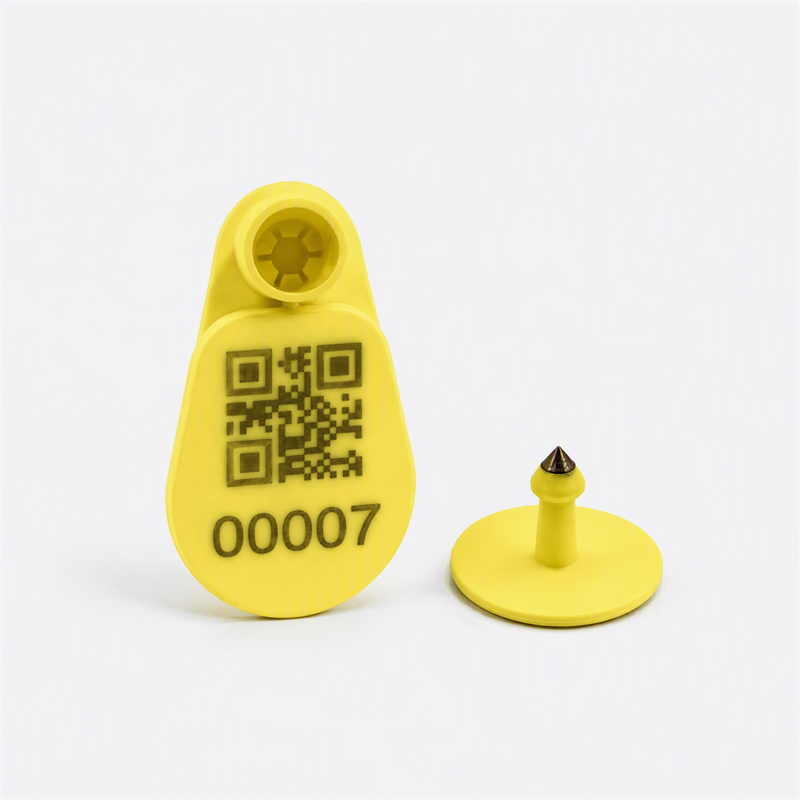
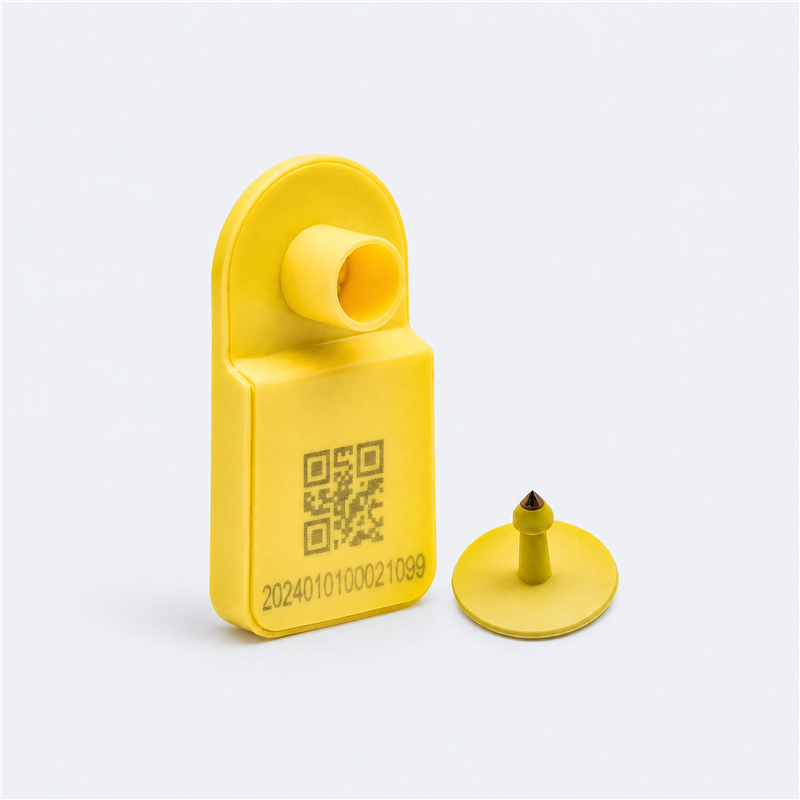
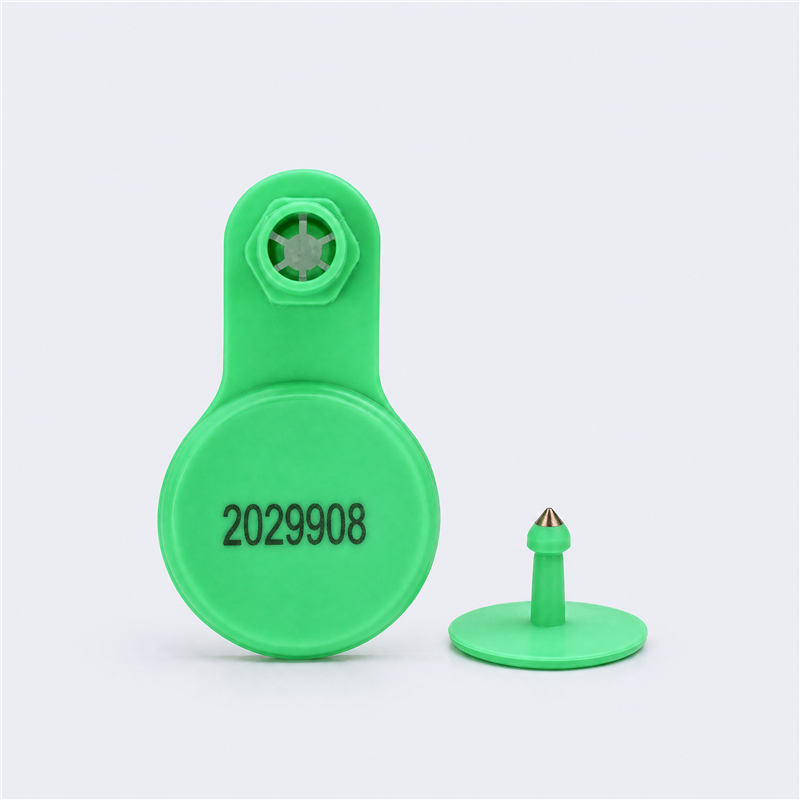
Each cow wears a 4G or LoRaWAN tracking collar; a BLE ear tag provides body temperature and identifies the animal at the milking and drafting points.
The collar reports position on a schedule and switches to high-frequency reporting when the animal moves outside the virtual fence, so an escape raises an alert within minutes rather than being found on the next ride.
Temperature is trended per animal against the herd baseline. A rise above baseline flags the cow for inspection before visible symptoms appear, letting the herd manager pull her for a check at the next shift.
The herd map doubles as a counting tool — live headcount by paddock and by barn — and the same data feeds estrus and activity monitoring already used by the farm.