




Overview
A glasshouse grower running twelve hectares across three climate zones depended on a handful of cabled sensors and manual rounds. Micro-climate differences between benches were invisible, and a bay could drift out of set-point for hours before anyone noticed.
Batch, sowing and spray records were written on paper labels that bleached under glass and fell off, so traceability at the bench depended on the grower’s memory.
Challenges
Micro-climate blind spots
A few cabled sensors could not represent conditions across individual benches and climate zones.
Paper labels failed
Sun-bleached and lost labels broke batch traceability exactly where it was needed — at the bench.
No early warning
Drift in temperature, humidity or CO₂ was discovered on the next manual round, not when it started.
Solution
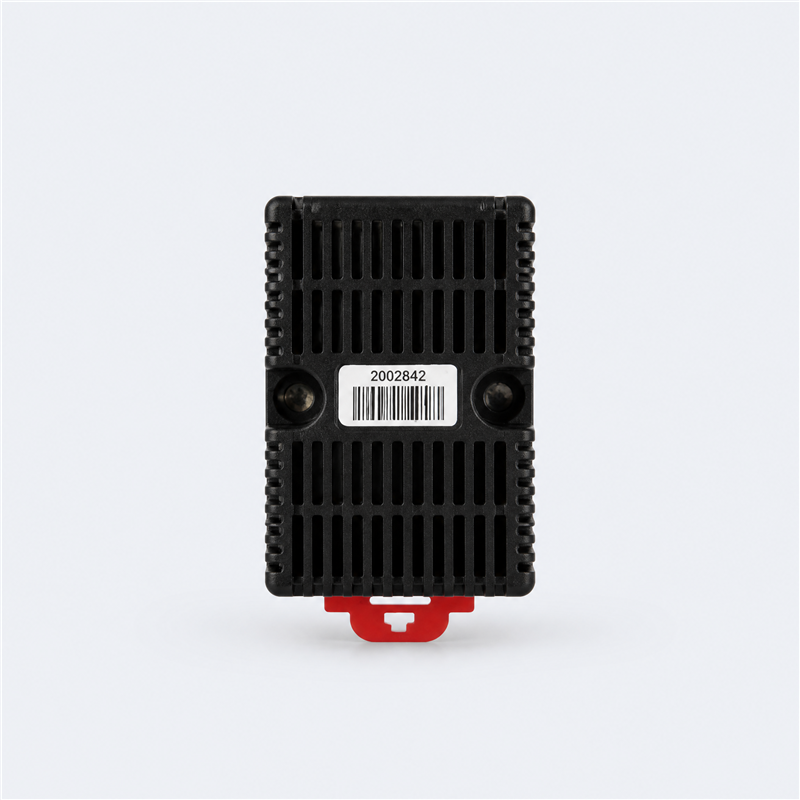
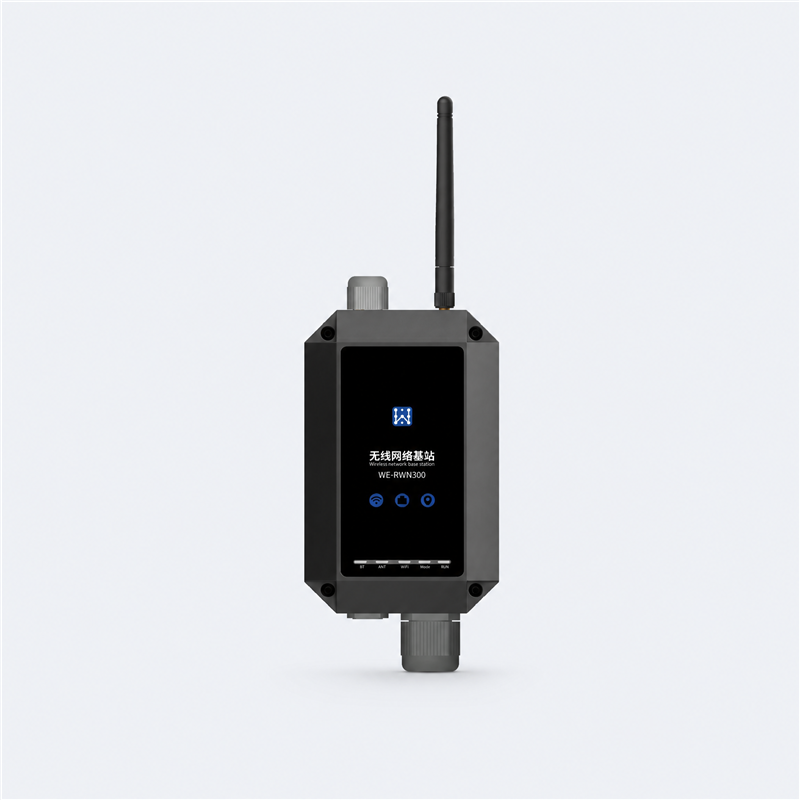
Wireless temperature, humidity and CO₂ sensors were distributed across all three climate zones at bench level, with additional light sensors on the outer rows where shading differs most.
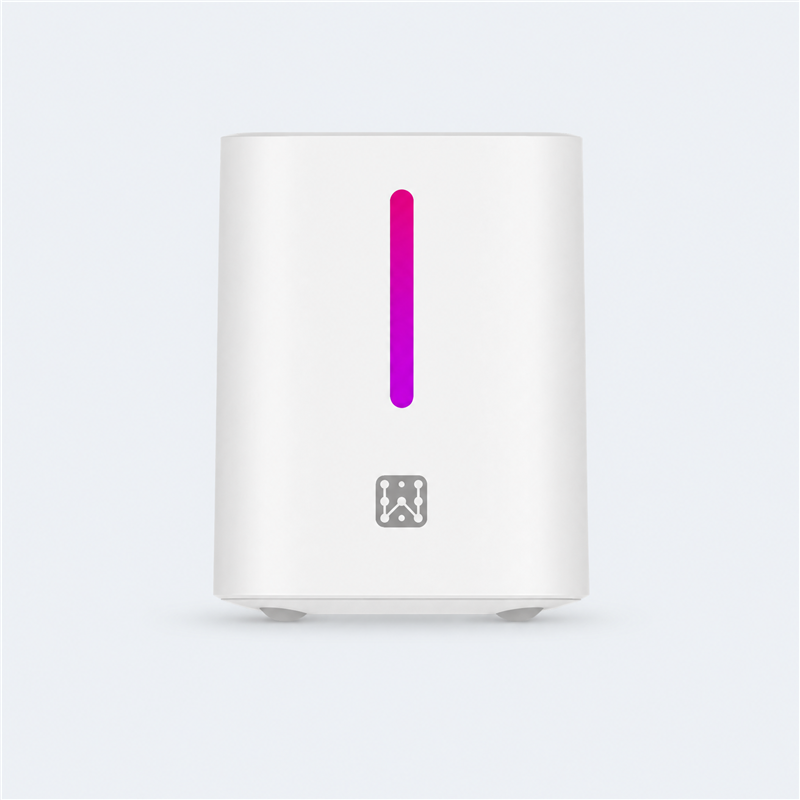
Readings update continuously to a dashboard showing each zone against its set-point. A breach raises an instant sound-and-light alarm locally plus a notification to the grower, so ventilation or screening can be adjusted before the crop is affected.
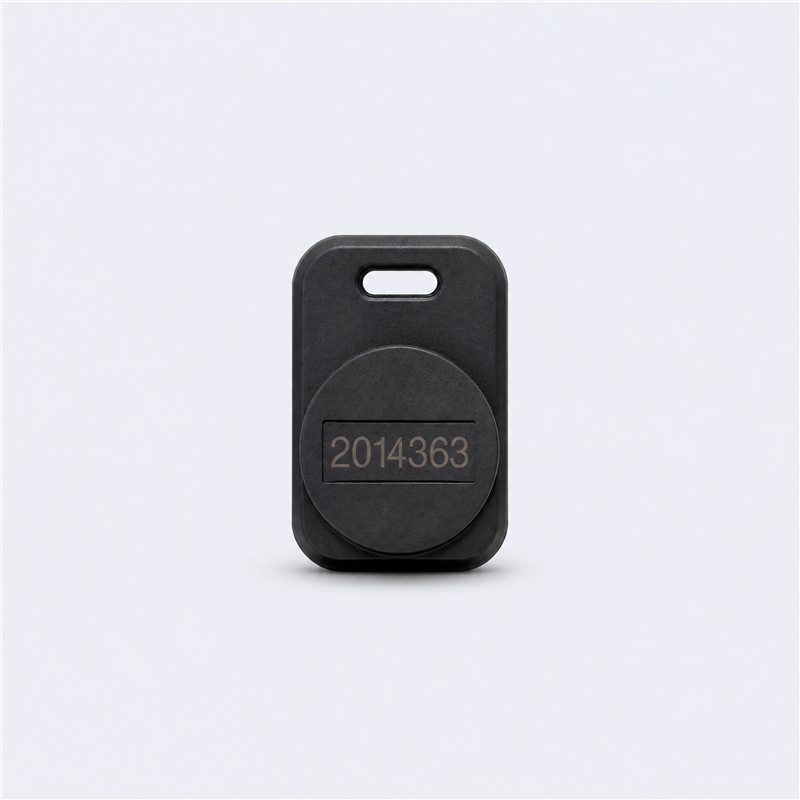
E-ink batch labels were fitted to benches and trolleys. Each label shows seed lot, sowing date, treatment and operator, and is rewritten over the air — no paper, no reprinting and no dependence on sunlight.
Because the sensors are wireless, coverage was extended row by row without trenching and without interrupting the crop cycle.