




Overview
A manufacturer of construction and mining equipment operated tool cribs across two plants. High-value jigs, moulds and calibrated measuring instruments were signed in and out on paper, so locating a specific fixture meant asking around the bays or searching neighbouring cells.
Annual stocktaking required stopping the line, and the crib still could not say with confidence where any individual item was, or whether it had passed its calibration window.
Challenges
Stop-line stocktaking
Physically counting thousands of jigs, moulds and instruments pulled production twice a year.
Search time on the line
When a fixture went missing, operators searched neighbouring cells and cribs before a replacement could be issued.
Calibration drift
Tools that had left the plant or sat unused past their calibration date were only discovered at audit.
Solution
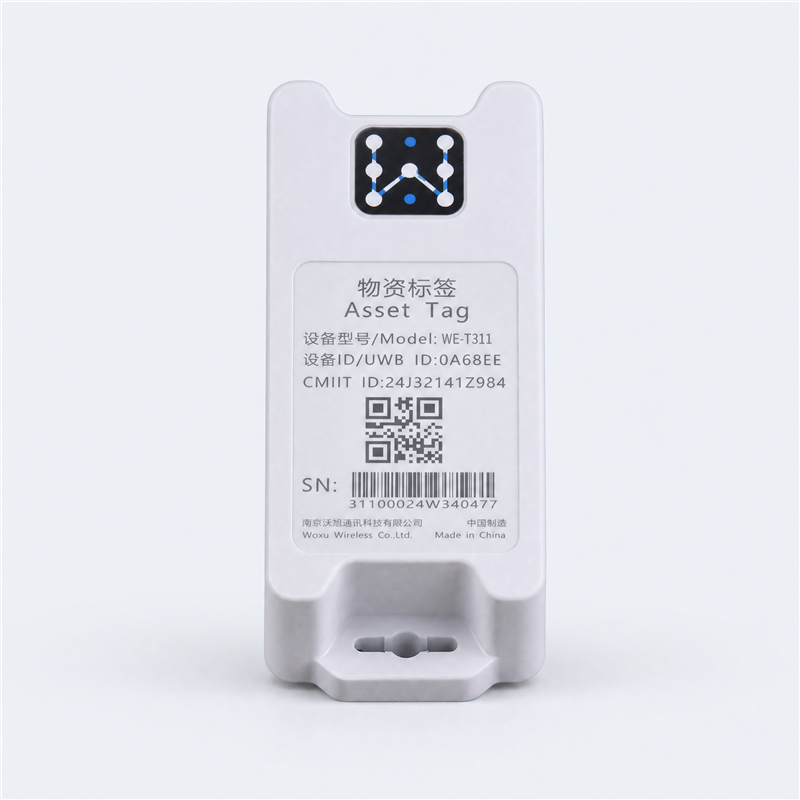
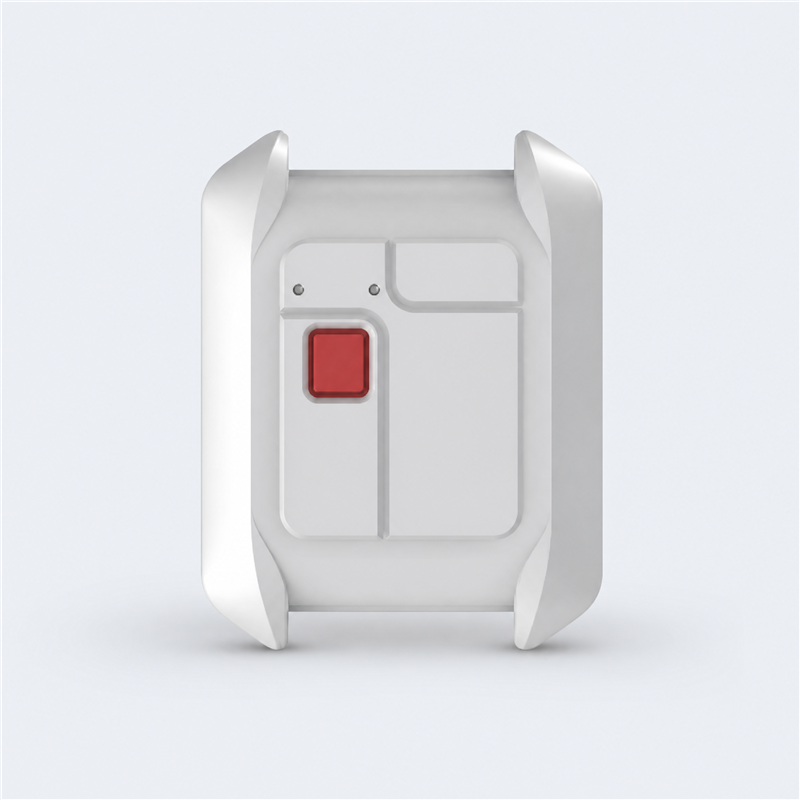
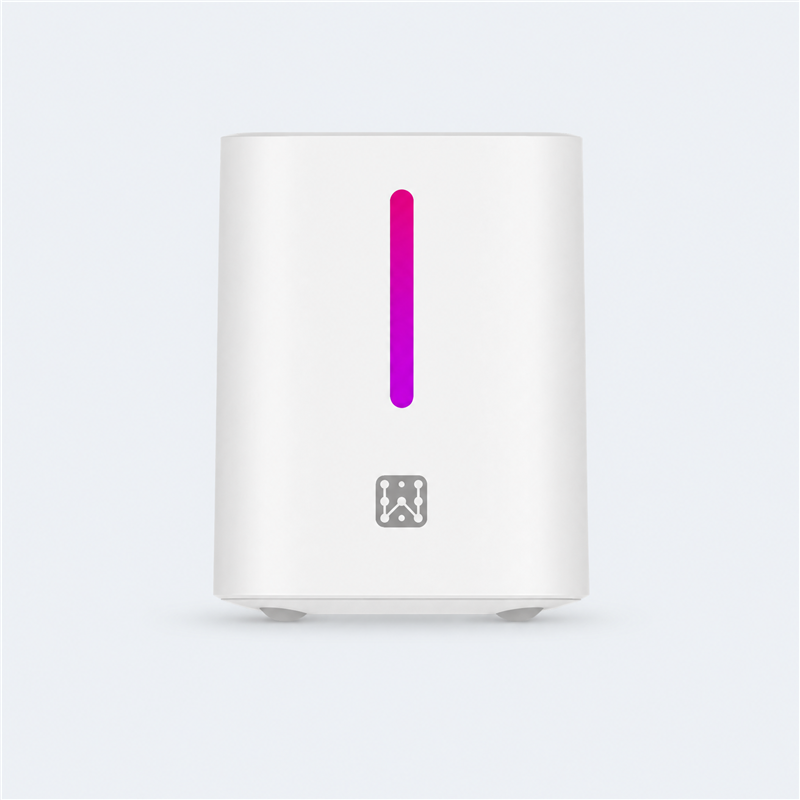
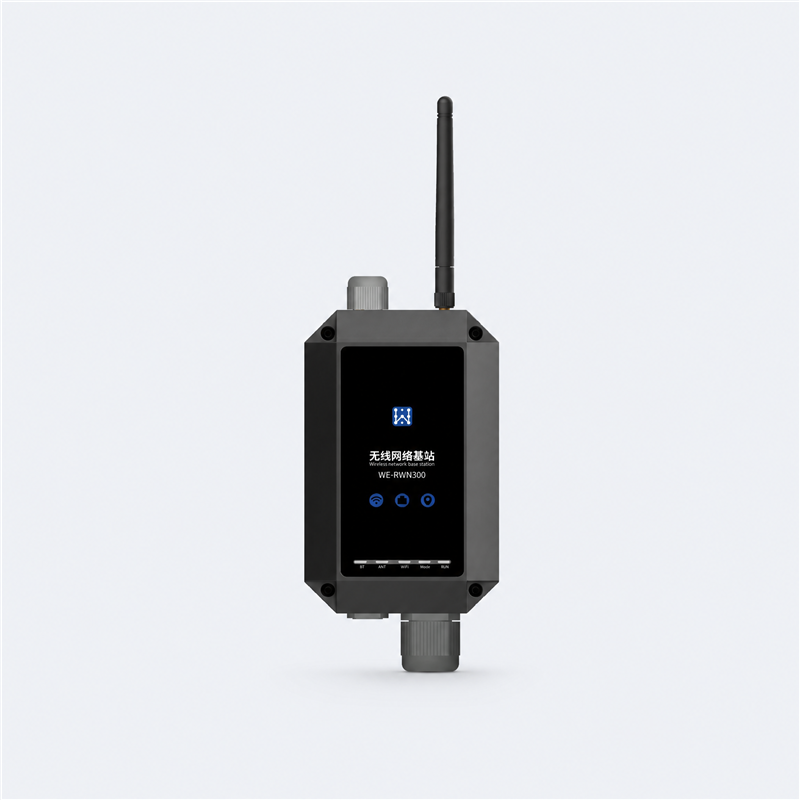
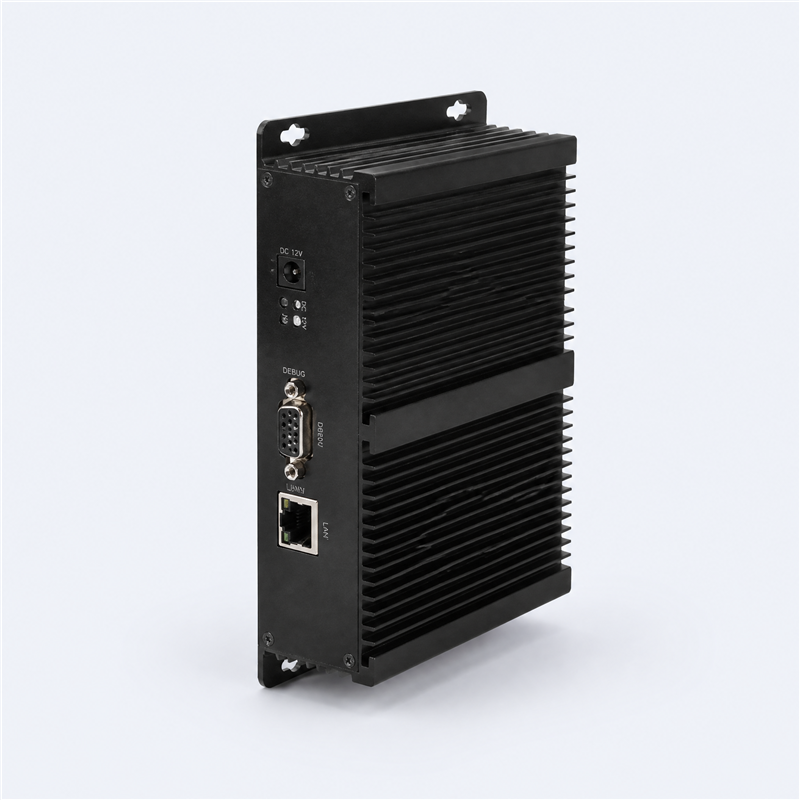
UWB positioning tags were fitted to jigs, moulds and calibrated instruments, with base stations covering tool cribs, staging areas, production cells and the inter-plant logistics corridor.
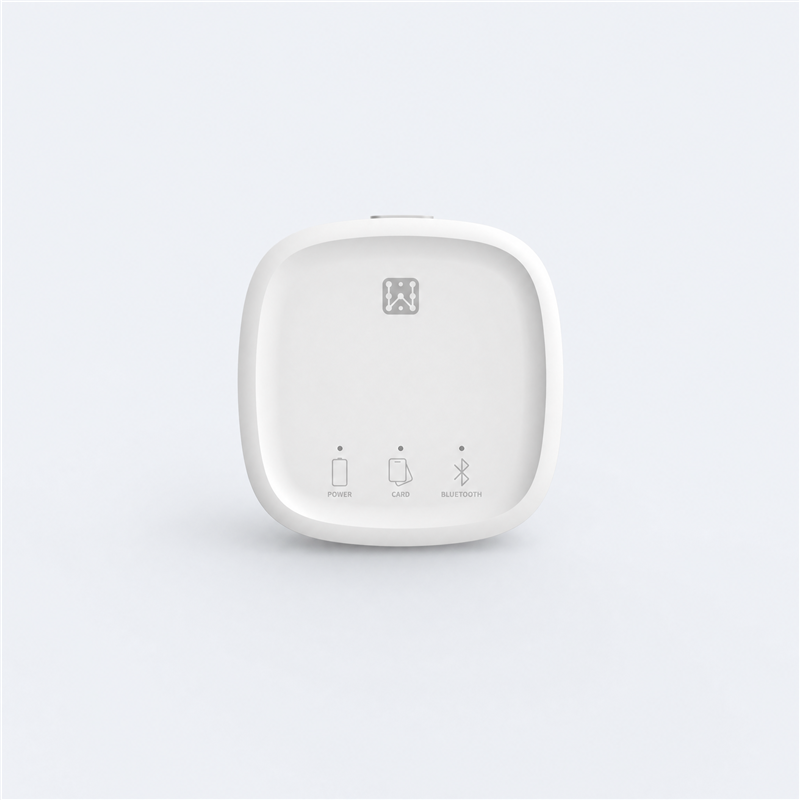
Card-reading base stations installed at each crib entrance log automatic check-in and check-out, so the ledger is updated by movement rather than by paperwork.
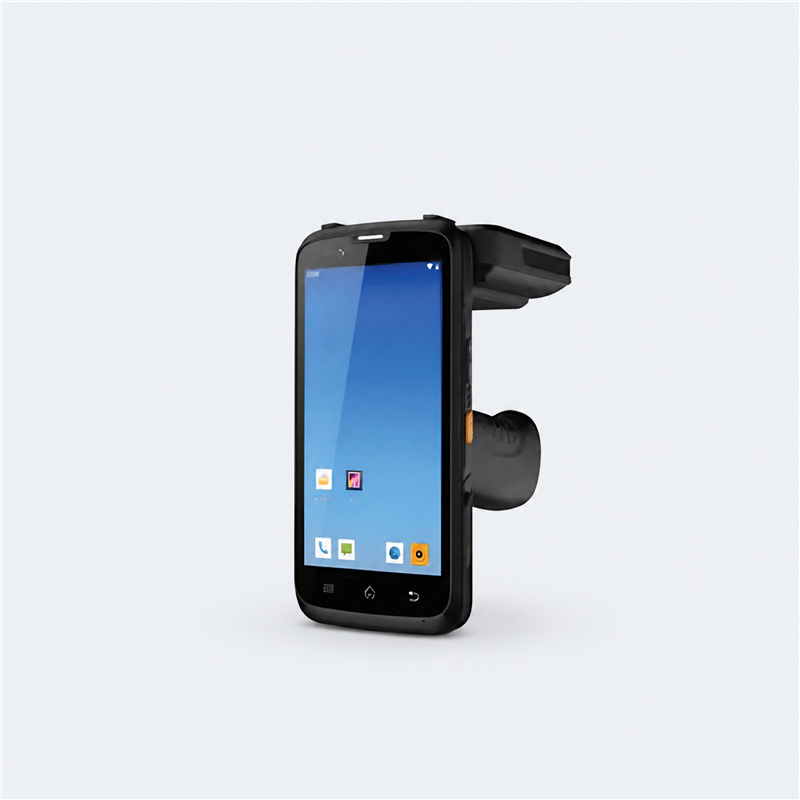
Crib staff work from a live map plus a searchable list: entering a tool ID returns its current location within seconds. Handheld terminals are used for rolling verification and for stocktaking while the line keeps running.
Dwell-time rules flag any tool that has been outside the crib beyond its permitted window, and instruments approaching their calibration due date are surfaced automatically.