




Overview
Picking here stays manual by design. An operator walks to the rack and takes the box the tag is calling for — the job of the system is to make that manual step fast and unambiguous, not to replace it. What the plant needed was a cue on the box itself, plus real-time position for the material behind it.
Position coverage at the site ran on BLE beacons over the existing Wi-Fi access points. The team wanted a straight answer on what real-time positioning would actually cost in gateways, and whether simple tag reading could be handled without adding access points at all.
Challenges
Guiding a manual pick
Picking is done by hand, so the cue has to sit on the box at the rack: an operator needs to see which box to take without reading a list or a screen.
Coverage built point by point
Position coverage depended on a BLE beacon and Wi-Fi access point combination, so extending or maintaining it meant adding infrastructure — and the gateway count for full real-time positioning was still an open question.
Position data in a separate tool
Location data sat in its own tool rather than the plant’s own platform, so it could not feed material mapping or attendance.
Solution
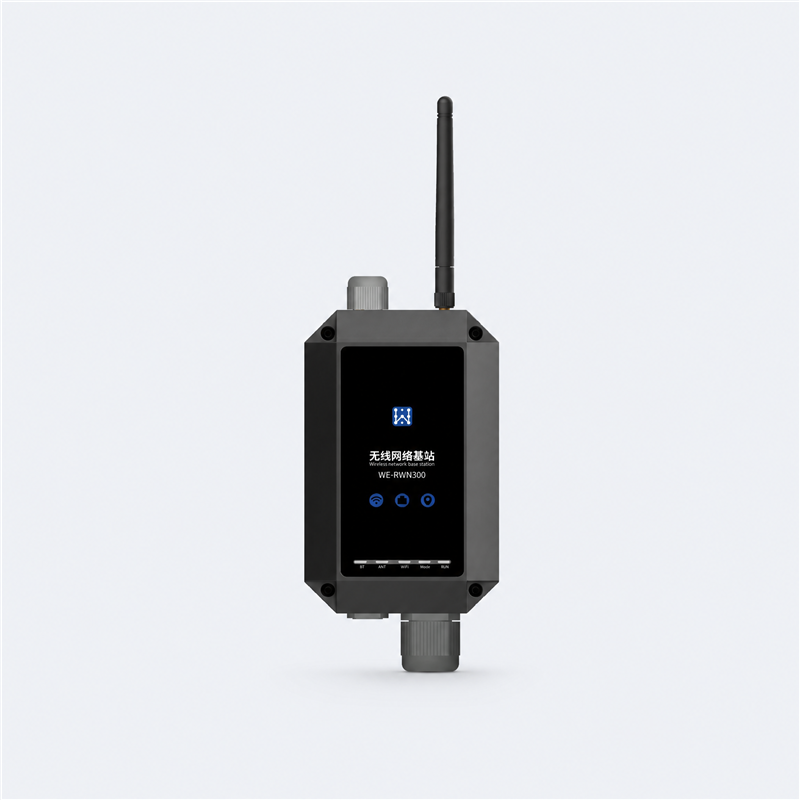
Zigbee base stations (WE-RWN300, PoE) are mounted over the material area and run on the existing PoE network. Spacing is kept within roughly 30 m, and coverage does not have to overlap completely — which keeps the installed count down.
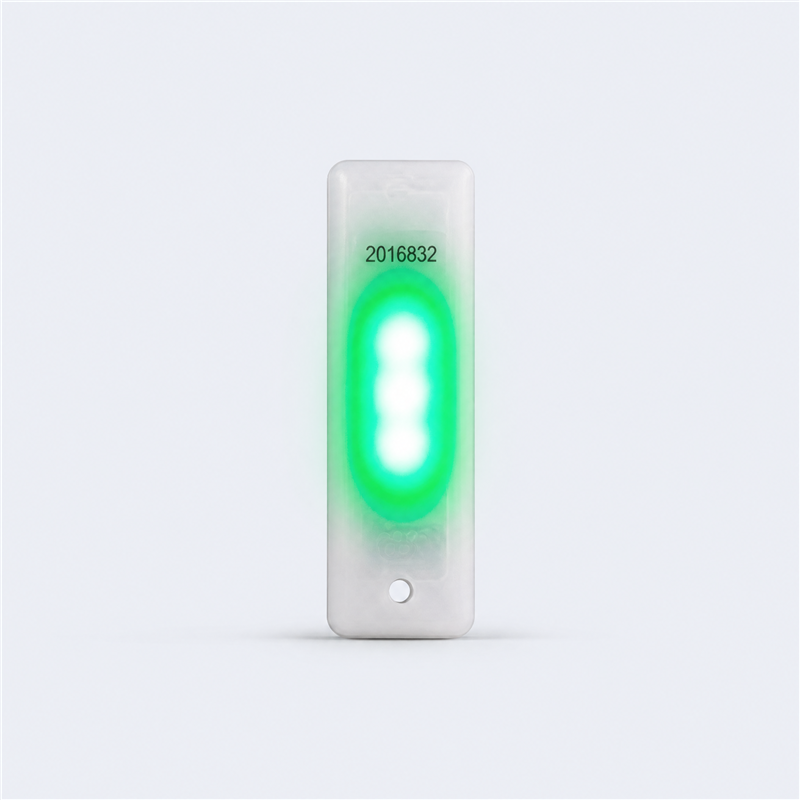
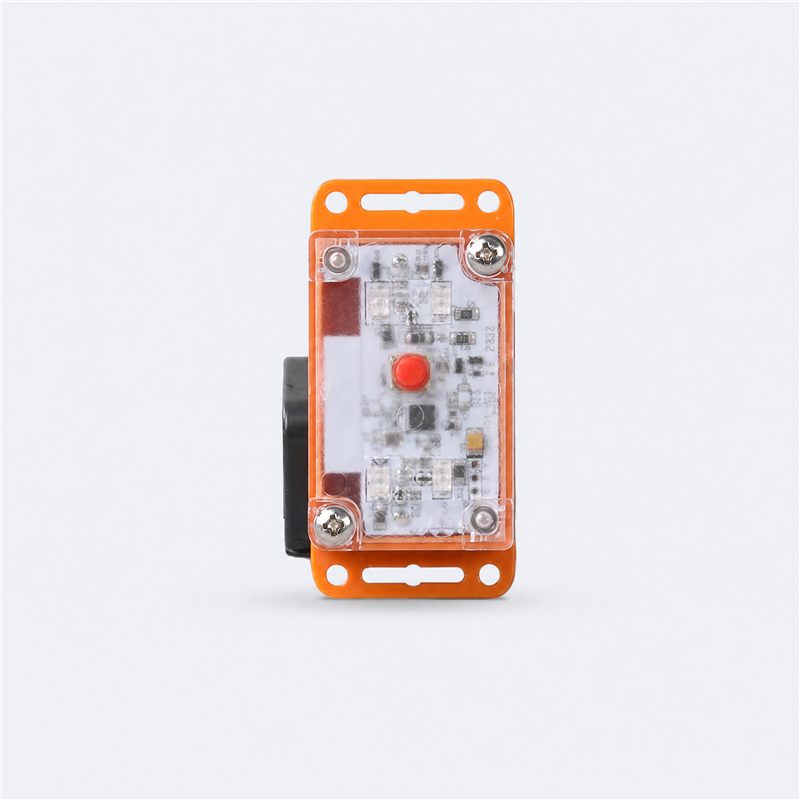
Boxes and assets carry light-guided tags (WE-T85K125): the tag on the box lights up as the picking cue, so the right box is taken without consulting a list. Acousto-optic locator tags (WE-T52 / WE-T51) add a sound-and-light call for finding an item that has been moved.
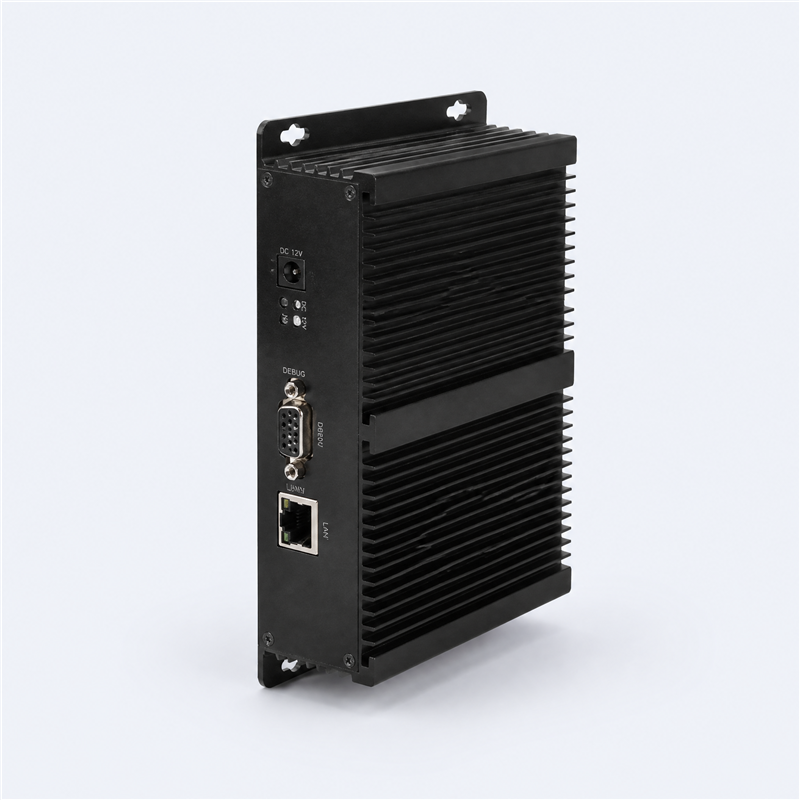
A positioning server (WE-LS01) handles real-time positioning, base-station configuration, map management and position reporting. A single USB tag reader with Wi-Fi (WE-USBRCSWIFI) covers simple tag reading, replacing the several Wi-Fi access points the site would otherwise need to install.
Position data is exposed through an open interface, so the plant maps its own tags and integrates the feed with MES; the same position data is used for personnel attendance.